VECTRA Performance Update 1.03
VECTRA - Unleashed
VECTRA has always been built like a “serious synth”: deep modulation, modern sound design, and the kind of control that rewards fast workflows. With VECTRA Public Beta 1.0.3, the headline isn’t a new feature tab — it’s something that makes a synth genuinely production-ready:
More stability, more performance headroom, and a more future-proof engine.
This release completes the current performance milestone through Issue #16, focusing on the real reasons sessions slow down or get unstable: per-sample overhead in DSP hot paths, unnecessary recalculation, and thread-safety risks when UI + audio are active at the same time. The intent is clear: VECTRA stays wildly capable, but becomes easier to run and harder to break.
What changed in VECTRA 1.0.3?
1) CPU efficiency improvements where they matter most
Audio plugins live and die by hot loops — the tiny sections of code that run thousands of times per second per voice. In 1.0.3, multiple hotspots were optimized:
Parameter smoothing work was restructured to avoid redundant per-sample calls by caching at the block level.
Filter parameter access was optimized using caching/versioning to reduce repeated parameter dereferencing per voice.
Unison processing received meaningful reductions in overhead by addressing PRNG pressure and removing heavy math calls in high-voice scenarios.
Oscillator internals were tightened by optimizing phase wrap logic in a per-sample path.
In practical terms: better CPU behavior in dense sessions, especially when you stack voices, raise sample rates, or run multiple instances.
2) Reverb processing optimized (Issue #16)
Reverb can become a “silent tax” in projects, particularly when internal FFT windows are fed inefficiently. In 1.0.3, the reverb FFT accumulation path is optimized by batching what used to be per-sample work into more efficient block-oriented logic. That translates into less branch/state overhead on the audio thread and a cleaner performance profile when reverb is in play.
3) Stronger stability under real-world workflow stress
Performance is only half the story — stability is what keeps you in flow. 1.0.3 also hardens key failure points that show up in real sessions:
Thread-safety improvements to prevent race conditions during wavetable operations.
A corrected lock-free FIFO implementation used for UI snapshot handoff in modulation effects.
Defensive parameter read paths to reduce crash risk from unsafe dereferencing patterns.
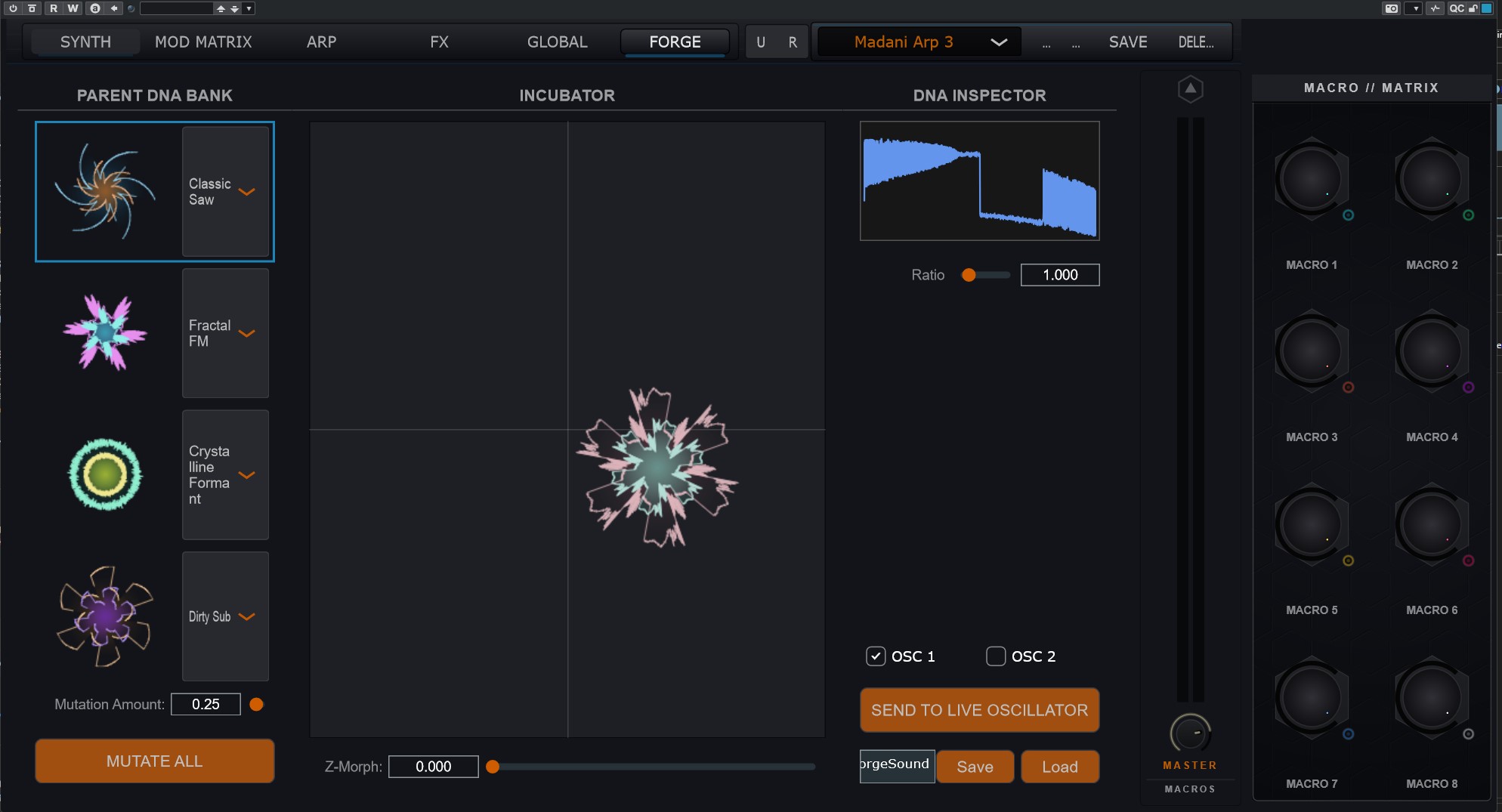
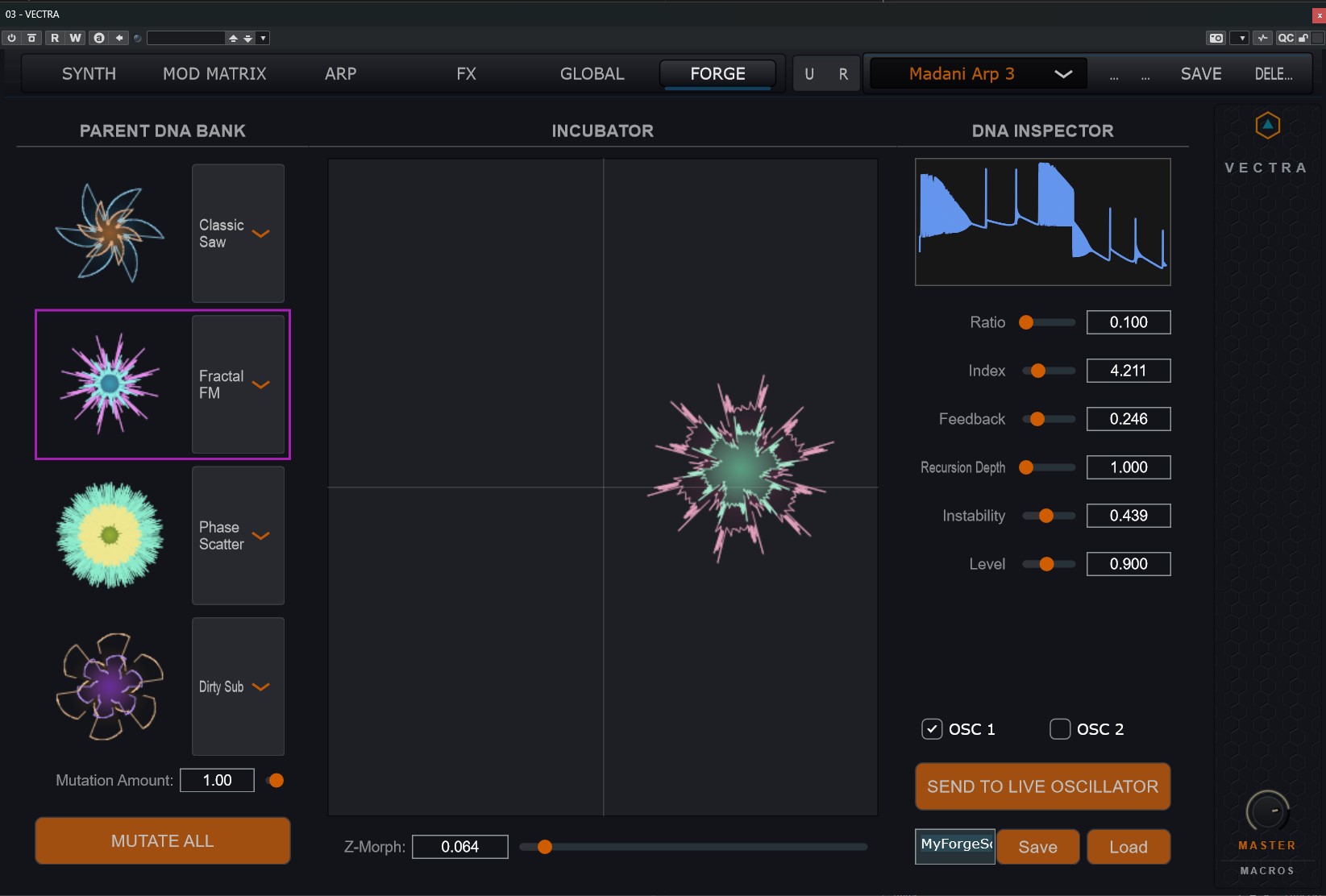
Bounded Forge generation queues to keep responsiveness high during intensive XY modulation and rapid regeneration.
These are the kinds of changes that don’t change your patch — they change your confidence.
What does this mean for users?
If you’re producing (not just browsing presets), the benefits are immediate:
More headroom for higher polyphony and more instances
More reliable sessions when automating, browsing presets, or using Forge heavily
Better performance behavior when combining reverb + dense patches
A synth that’s increasingly future-proof as the engine is refined
Compatibility and project safety
VECTRA 1.0.3 preserves what matters: DSP intent unchanged, presets compatible, projects load normally, automation preserved, no workflow changes. The goal is an upgrade you can drop into active projects without fear.
What beta testers should focus on
To validate the win, stress test the scenarios that normally break plugins: multi-instance sessions, high polyphony, oversampling plus reverb, fast automation sweeps, and Forge XY modulation while audio is running. If anything regresses, include your DAW, sample rate, oversampling setting, and reproduction steps.
VECTRA 1.0.3 is a statement of direction: the synth was already powerful — now it’s becoming the kind of instrument you can trust at scale.
Join the VECTRA Beta